Hanna Mazur-Marzec
University of Gdańsk
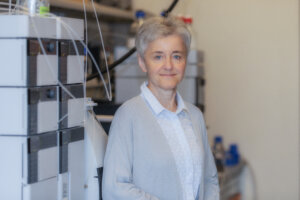
Professor Hanna Mazur-Marzec currently serves as the Head of the Department of Marine Biology and Biotechnology at the University of Gdańsk, where she leads research at the interface of marine biology, chemistry, and biotechnology. Her earlier research focused on elucidating the ecological roles of cyanobacterial metabolites in aquatic environments. In recent years, her work is more focused on exploring the biotechnological potential of natural marine products, particularly their application in the development of novel pharmaceuticals.
She will have a presentation: “Microalgae secondary metabolites – current knowledge and future prospects”
Judit Padisak
University of Pannonia
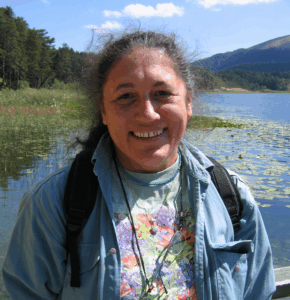
Professor Judit Padisák (Professor (full) at University of Pannonia, Centre of Natural Sciences, Research Group of Limnology) has been studying phytoplankton for half a century. Her research has been focused on understanding blue-green algal blooms, phytoplankton succession, ecological memory, and ecosystem resilience. She developed the functional group concept and the widely used Q-index, an ecological status assessment tool that is internationally accepted and adapted.
She will have a presentation: “Ecological and evolutionary challenges of life in suspension and implications of climate change”
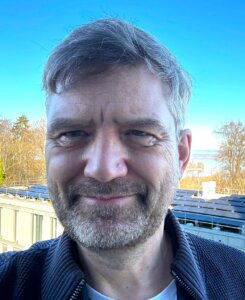
Frederik Leliaert
Meise Botanic Garden and Ghent University
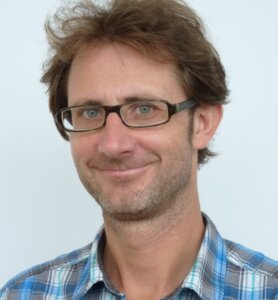
Frederik Leliaert is scientific director of collections at Meise Botanic Garden and a visiting researcher at Ghent University. His work focuses on the diversity and evolution of algae, with particular emphasis on marine macroalgae. By integrating molecular, morphological, ecological, and geographic data, he aims to unravel evolutionary relationships, species boundaries, and biogeographic patterns, and to translate biodiversity data into knowledge that supports the conservation and sustainable management of marine ecosystems.
He will have a presentation: Algal biodiversity knowledge as a foundation for understanding global environmental change
Peter Kroth
University of Konstanz
Peter Kroth is Professor at the University of Konstanz, Germany. He has been working on diatom biology for more than 30 years. From the beginning, he had a keen interest in the biochemistry, cell biology, and molecular biology of these algae, at a time when hardly any scientist worked in this field using molecular tools. He was the first to discover and characterize the peculiar plastid targeting peptides in diatoms. He also was involved in developing the first genetic transformation system for diatoms, using GFP as a tool to locate proteins in diatoms intracellularly. Another aspect of his work is the characterization of specific diatom photoreceptors named aureochromes that also are transcriptions factors, allowing a unique way of gene regulation by light. Finally, Peter studies diatom/bacteria interactions, demonstrating that bacterial signaling compounds can have a strong impact on biofilm formation by the algae.
He will have a presentation: How diatoms respond to biotic and abiotic factors